
What to Expect Before, During, and After a Hair Transplant – Step-by-Step Patient Guide
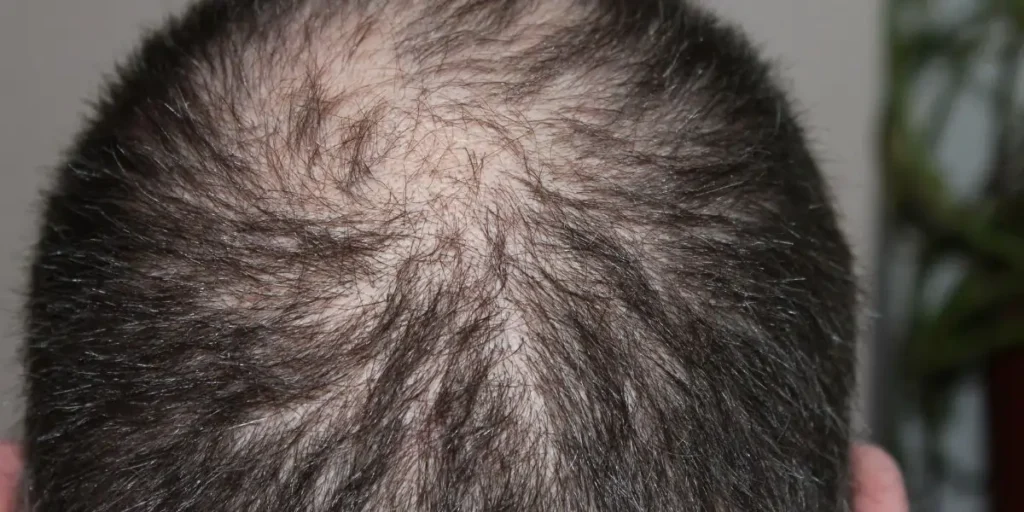
Hair loss is a common concern affecting millions worldwide. It can significantly impact confidence and self-esteem, making hair restoration an important consideration for many individuals. One of the most effective solutions is a hair transplant, a procedure that restores hair naturally and permanently. If you’re considering this solution, it’s essential to understand what to expect before, during, and after a hair transplant to ensure a smooth experience and optimal results.
This comprehensive guide will walk you through the hair transplant process, recovery timeline, and essential post-procedure care, so you know exactly what to expect at every stage.
Step 1 – Initial Consultation and Assessment
The journey to a successful hair transplant begins with a thorough initial consultation. During this session, your doctor or hair restoration specialist will:
Evaluate your scalp and hair density.
Determine the pattern and extent of hair loss.
Discuss your goals, expectations, and the best possible outcomes.
Decide whether you are a suitable candidate for the procedure.
A personalized consultation is crucial because every patient has a unique hair loss pattern, scalp condition, and desired outcome. By understanding these factors, your surgeon can create a customized treatment plan tailored to your needs.
Step 2 – Pre-Procedure Preparations
Proper preparation before a hair transplant ensures a safe and effective procedure. Some essential pre-procedure steps include:
Avoid certain medications: Blood thinners and anti-inflammatory drugs should be avoided for a few days before the procedure.
Scalp hygiene: Wash your hair thoroughly to remove oils and impurities.
Lifestyle adjustments: Avoid smoking and alcohol consumption, as these can affect healing and graft survival.
Medical history review: Inform your surgeon of any medical conditions, allergies, or past surgeries.
Following these guidelines helps minimize risks and maximizes the success of your hair transplant.
Step 3 – Choosing the Right Hair Transplant Technique
There are several hair transplant techniques, each suited to different types of hair loss and patient preferences:
FUE (Follicular Unit Extraction)
FUE involves extracting individual hair follicles from the donor area and implanting them into the thinning or bald regions. This technique leaves minimal scarring and has a faster recovery time.
FUT (Follicular Unit Transplantation)
Also known as the strip method, FUT involves removing a strip of scalp from the donor area. The hair follicles are then harvested from this strip and transplanted. This method is suitable for patients requiring a large number of grafts.
DHI (Direct Hair Implantation)
DHI is a modern technique where hair follicles are implanted directly using a specialized tool. This method allows for more precise placement and density, providing a natural look.
Choosing the right technique depends on factors like the area of baldness, donor hair availability, and your personal preferences. Your hair transplant specialist will guide you in selecting the best method.
Step 4 – The Hair Transplant Procedure
On the day of the procedure, you can expect the following steps:
Local anesthesia administration: The scalp is numbed to ensure a painless experience.
Donor hair extraction: Hair follicles are carefully removed from the donor area using FUE, FUT, or DHI techniques.
Graft preparation: Extracted follicles are cleaned and prepared for implantation.
Implantation: Hair follicles are strategically placed in the recipient area to mimic natural hair growth patterns.
Styling and finishing touches: After implantation, your surgeon may trim and style the hair for a uniform appearance.
The procedure is typically completed in several hours, depending on the number of grafts required. Patients usually feel minimal discomfort and can resume normal activities shortly afterward.
Step 5 – Immediately After the Procedure
Right after the procedure, patients may notice:
Mild swelling or redness around the transplanted area.
Tiny scabs forming at the site of implanted hair follicles.
Slight tenderness in the donor area.
It is important to follow your surgeon’s post-procedure instructions carefully, which may include:
Avoiding strenuous physical activity for a few days.
Keeping the scalp clean and dry.
Taking prescribed medications to prevent infection and aid healing.
Following these steps ensures a smooth start to the hair transplant recovery process.
Step 6 – Hair Transplant Recovery Timeline
Recovery is gradual, and understanding the timeline helps manage expectations:
First Week: Minor swelling, redness, and scabbing are common. The transplanted area must be treated gently.
Weeks 2–4: Shedding of transplanted hair is normal and part of the natural hair growth cycle.
Months 3–6: New hair begins to grow. Growth may be patchy initially but will gradually become denser.
Months 6–12: Full results are visible, with natural density and coverage. Most patients achieve significant improvement in hair thickness.
Patients should be patient during this period, as the final results take time to manifest fully.
Step 7 – Post-Transplant Care Tips
Proper care after the transplant is essential for long-term success:
Wash hair gently using mild, sulfate-free shampoos.
Avoid scratching or rubbing the transplanted area.
Stay away from direct sunlight and heat for extended periods.
Use only doctor-recommended hair care products.
Schedule follow-up visits for monitoring and adjustments if necessary.
These measures help protect the newly transplanted follicles and ensure optimal hair growth.
Step 8 – Follow-Up Appointments
Follow-up appointments are a critical part of the hair transplant process. During these visits, the surgeon will:
Monitor the progress of hair growth.
Address any concerns or complications.
Provide additional treatments if required to improve density.
Regular follow-ups help maintain the best possible outcome and ensure that any issues are addressed promptly.
FAQs – What to Expect Before, During, and After a Hair Transplant
How long does it take to see results?
Initial hair growth starts around 3–4 months, with full results visible within 12 months.
Is the hair transplant procedure painful?
No, local anesthesia ensures a painless experience during the surgery.
How long is the recovery period?
Most patients recover within 7–10 days for normal activities, while full hair growth takes 6–12 months.
Will the transplanted hair fall out?
Temporary shedding is normal, but new hair will grow permanently.
Can I resume normal activities immediately after surgery?
Light activities are allowed, but strenuous exercise should be avoided for a few weeks.
Conclusion
Understanding what to expect before, during, and after a hair transplant is crucial for anyone considering this life-changing procedure. By following the right pre-procedure preparations, choosing the appropriate technique, and adhering to post-transplant care, patients can achieve natural-looking, long-lasting results.
If you’re considering a hair transplant, consulting a trusted clinic will help you understand the process and recovery timeline. Take the first step towards restoring your hair and confidence today!